
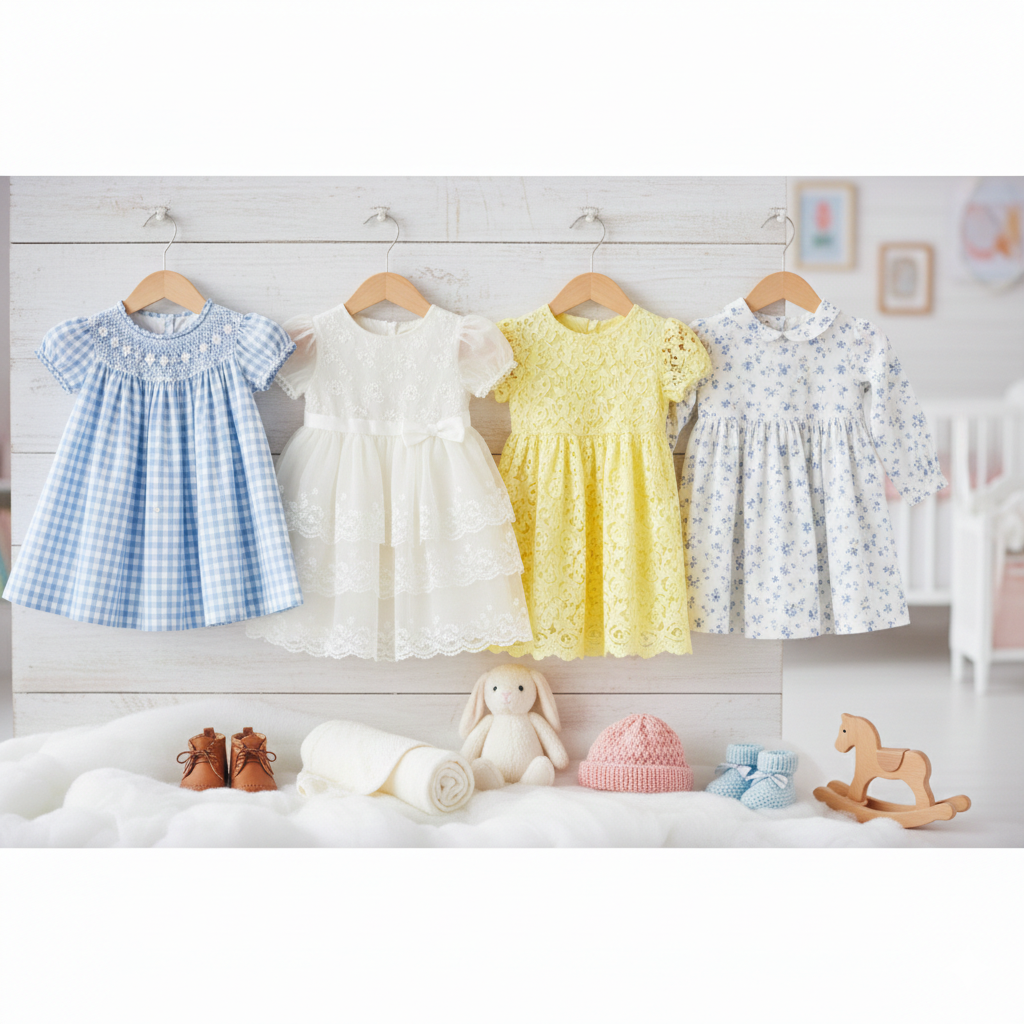
Most children in India wear a clothing size for just three to six months before growing out of it. Think about what that means at scale: millions of garments manufactured, purchased, worn a handful of times, and then discarded — every year, in India alone.The children’s clothing industry is one of the most wasteful segments of the fashion sector. But a growing number of Indian parents are opting out of this cycle — building genuinely sustainable kids’ wardrobes through preloved clothing. Start with our complete guide to pre loved clothes for kids in India if you’re new to buying preloved.
The Problem With Fast Fashion for Kids in India
According to the UN Environment Programme, the global fashion industry is responsible for 10% of annual carbon emissions — more than all international flights and maritime shipping combined. For children’s clothing specifically, the situation is made worse by how quickly children outgrow their clothes:
- Cotton production consumes approximately 2,700 litres of water per t-shirt.
- Synthetic fabrics shed microplastics with every wash, entering India’s rivers and waterways.
- India’s textile dyeing industry is a significant source of water pollution in states like Gujarat and Tamil Nadu.
India generates roughly 1 million tonnes of textile waste per year according to the Ministry of Textiles — children’s clothing forms a significant portion of this, given how quickly children outgrow their clothes.
The Environmental Case for Preloved in India
The Ellen MacArthur Foundation’s circular economy framework explains it clearly: when products circulate in use for as long as possible — reused, resold, repurposed — the environmental cost of their manufacture is shared across multiple users and uses.
A well-made H&M Kids or Nino Bambino outfit might be worn by three or four different children in India before it finally wears out. Each family that buys it preloved reduces their per-garment environmental footprint by 50–75%.
The Financial Case (Which Reinforces the Sustainable Choice)
Indian parents who buy preloved can save ₹10,000–₹25,000 per year on kids’ clothing alone. That saving doesn’t require any sacrifice in quality. Buying quality brands preloved often means accessing better-made garments than the equivalent spend on new fast fashion would buy at Indian retail prices.
How to Build a Sustainable Kids’ Wardrobe in India
Focus on quality brands — H&M Kids, Zara Kids, Benetton, Nino Bambino. Our guide on the best kids’ clothing brands to buy preloved in India covers exactly which labels hold up best and why.
Shop Wheedle for the next size up before your child needs it. Buying ahead gives you time to find great deals rather than making rushed decisions.
When your child outgrows something, list it on Wheedle rather than discarding it. Our step-by-step guide to selling kids’ clothes online shows you exactly how to get the best price.
Teaching Indian Kids About Sustainability Through Shopping
Shopping preloved is a genuine opportunity to introduce children to values around sustainability. Even young children can understand: ‘This kurta belonged to another child, and now it’s yours, and when you grow out of it, another child will wear it.’
India’s Growing Preloved Market for Kids
India’s preloved market for children’s items has grown significantly over the past five years. The stigma around preloved items — once prevalent in Indian consumer culture — is rapidly fading as quality preloved becomes mainstream across Mumbai, Delhi, Bengaluru, Hyderabad, and Chennai.
Wheedle’s Role in India’s Circular Economy for Families
Wheedle exists specifically to make the circular economy work for Indian families. Every sale on Wheedle is a garment that didn’t go to landfill. Every purchase is a family that didn’t buy new. Browse preloved kids’ clothing on Wheedle today and start selling your outgrown items at the same time.
| ❓ Frequently Asked Questions |
| Q: Is buying preloved kids’ clothing really better for the environment? |
| A: Yes, meaningfully so. Every preloved garment purchased avoids the need for a new one to be manufactured, saving water, energy, and raw materials. For Indian parents buying preloved for growing children who go through many sizes quickly, the environmental savings compound rapidly. |
| Q: How is the preloved kids’ clothing market growing in India? |
| A: India’s preloved market has grown significantly, particularly post-2020. Urban Indian parents are increasingly embracing second hand for both financial and environmental reasons. Platforms like Wheedle are making it easier than ever to buy and sell quality preloved kids’ items across all major Indian cities. |
| Q: Are preloved kids’ clothes hygienic? |
| A: Yes, when properly cleaned. Machine washing in warm water with a quality detergent kills bacteria and removes allergens. Drying in direct sunlight provides additional natural sterilisation — particularly valuable in India’s climate. Most preloved sellers on Wheedle wash items before listing. |
| Q: What is the circular economy and how does Wheedle fit into it? |
| A: A circular economy is one in which products are kept in use for as long as possible — reused and resold rather than discarded. Wheedle is a circular economy marketplace for Indian families: kids’ items are sold when outgrown and purchased by another family, extending their useful life and keeping value circulating within the community. |
| Q: How can I encourage my family to embrace preloved shopping in India? |
| A: Start with practical wins — show the savings on a quality Zara Kids jacket bought preloved vs new, or the ease of finding school uniforms on Wheedle at a fraction of retail price. Share the sustainability angle with older children. Once family members see the quality available preloved in India, most quickly become converts. |
Leave a Reply